Renting furniture for short term lease lets operators furnish and flip units in days, not weeks, with flexible contract terms that match occupancy cycles.
- Contracts typically run monthly or quarterly, scaling up or down as your portfolio changes
- Choose suppliers who offer full fit-out packages, not piecemeal delivery, to protect your yield timeline
- The right rental model eliminates capital lock-up and keeps balance sheets clean for institutional reporting
Most operators discover the real cost of furniture procurement the hard way: a unit sits empty for three weeks while a sofa waits in a warehouse, and the yield loss quietly swallows the "savings" from buying outright.
For serviced apartment operators, BTR developers, and corporate housing managers across Greater London, Manchester, and Edinburgh, renting furniture for short term lease has shifted from a stopgap into a deliberate asset strategy, one that directly affects occupancy rates, operational agility, and investor reporting.
Even so, the market is cluttered with suppliers whose pricing structures, lead times, and quality tiers vary wildly, making the wrong choice genuinely expensive at scale.
What separates operators who protect their margins from those who erode them is rarely the furniture itself, it is the contractual and logistical framework wrapped around it.
What Renting Furniture for Short Term Lease Actually Means at Operational Scale
Most operators approaching renting furniture for short term lease think of it as a procurement shortcut. The reality is sharper: it is a capital allocation decision that converts a large upfront FF&E outlay into a predictable operational cost line.
For asset managers overseeing serviced apartments in London or BTR developments in Manchester, that distinction matters on every quarterly P&L review.
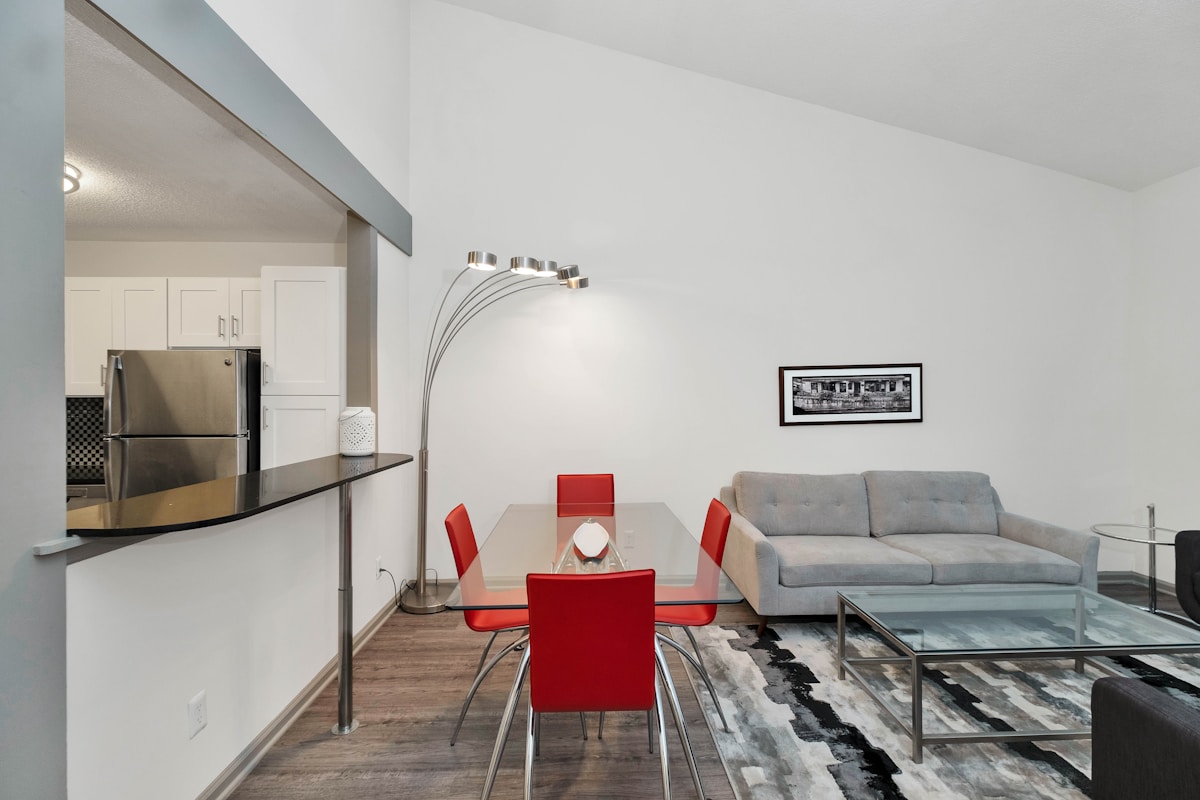
Beyond the Monthly Subscription
Rental terms in this market typically run from one to three months at the short end, extending to three years for longer assignments. The service bundle matters as much as the duration: delivery, installation, assembly, maintenance, and removal should all be included, not invoiced separately.
Myotaku's Signature 48 model takes this further, guaranteeing operational readiness within 48 hours so units generate revenue from day one.
Which Asset Classes Drive Short-Term Furnishing Demand?
- Serviced apartments and hospitality operators, speed to market and standardisation across multiple units
- Build-to-Rent and PBSA developers, lease-up velocity and cost control at scale
- Relocation companies and corporate housing, flexible durations aligned to unpredictable assignment lengths
- Home staging and estate agencies, fast turnaround for show homes and vacant properties
- Diplomatic missions, compliance, durability, and long-term contract flexibility
What separates a genuine operational partner from a basic hire company is the ability to extend, swap, or transition to lease-to-own mid-contract, adaptable to occupancy cycles that rarely follow a fixed schedule.
5 Criteria That Separate a Reliable FF&E Partner from a Basic Hire Company
When assessing furniture rental for short-term leases at operational scale, five criteria reveal whether a supplier is a true FF&E partner or just a hire company with a van and a catalogue. Here's how to tell the difference, fast.
Why 48 Hours Is the Benchmark
Every vacant day is lost revenue. Because for a serviced apartment operator or a BTR developer carrying lease-up pressure, a supplier that takes two weeks to mobilise isn't a partner, it's a liability.
Operational readiness within 48 hours, the standard Myotaku calls Signature 48, is the benchmark to demand, although anything slower compounds downtime and erodes yield.
Catalogue Depth
A 200-unit BTR block in Birmingham and a boutique serviced apartment in London need very different specifications, often at the same time. A catalogue of 10,000 or more items means a single supplier can cover both without compromise, without substitutions, and without the procurement team juggling five different vendors in parallel.
Digital Governance and Contract Flexibility
Two criteria that basic hire companies consistently miss. Digital governance, QR-coded inventory, traceable asset records, auditable management across multiple units and floors, cuts the manual overhead that quietly drains operational resource.
Without it, tracking furniture across a multi-storey development turns into a spreadsheet problem that nobody budgeted for.
Contract flexibility is equally non-negotiable. The ability to move between short-term rental (from one to three months), lease-to-own, and outright purchase, without being locked into rigid terms, is what lets operators match their FF&E model to occupancy cycles rather than forcing occupancy cycles to fit a contract.
- Speed: 48-hour deployment as the minimum standard
- Catalogue depth: 10,000+ items to serve mixed asset types
- Digital governance: QR-coded, traceable, auditable inventory
- Contract flexibility: rental, lease-to-own, and purchase options
- Pan-geographic consistency: standardised quality across London, Manchester, and Birmingham, fragmented local sourcing does not deliver this
Operators serious about renting furniture for short term lease should treat these five criteria as a procurement checklist, not a wish list.
Flexible Commercial Models: Rental, Lease-to-Own and Outright Purchase Compared
Three models. One decision that directly shapes your capex exposure, operational agility, and long-term asset strategy. Thus, for procurement teams and asset managers weighing furniture rental for short-term lease contexts, the right structure hinges on three variables: how long the asset will be occupied.
How much capital you want to commit upfront, and whether ownership is even the goal.

Short-Term Rental: When Preserving Capital Comes First
Rental terms typically run from one to three months up to around three years. With extension options when occupancy stretches longer than planned. Finally, this model suits relocation housing, gap-fill periods between tenancies, show homes.
And PBSA operators who need operational readiness within 48 hours without tying capital into depreciating assets. The opex structure keeps balance sheets clean and gives operators real flexibility to scale up or down as portfolio requirements shift.
Lease-to-Own and Outright Purchase: Longer Horizons, Different Trade-Offs
Additionally, lease-to-own suits operators who plan to hold the asset long term but want to spread cost across a defined period before taking ownership. It bridges the gap between rental flexibility and the permanence of purchase. Outright purchase, by contrast, suits developers with stable, long-term properties who prefer full asset control.
Though it demands upfront capital allocation and a credible maintenance plan from day one.
Meanwhile, regardless of model, total cost of ownership is what matters. Headline monthly rates can obscure replacement costs, logistics fees, and end-of-term charges. Transparent, predictable cost structures with no hidden operational costs are non-negotiable for any serious procurement evaluation.
Myotaku tip: Ask any FF&E provider to confirm in writing whether delivery, installation, assembly, and end-of-term removal are included in the quoted rate, or priced separately. With Myotaku, the answer is simple: all commercial models include full-service delivery and digitally governed inventory from day one.
What Most Furniture Hire Companies Won't Tell You About Short-Term Leases
The headline monthly rate looks reasonable. On the other hand, then the invoice arrives. For operators renting furniture for short-term lets across multiple UK assets.
The gap between quoted price and actual cost is where margins silently vanish. For example, four realities the market rarely flags upfront.
The Hidden Costs Buried in Basic Rental Agreements
Most basic hire companies lead with an attractive per-item or per-room monthly figure. What that figure leaves out is rarely volunteered: delivery, assembly, collection, and damage replacement are frequently billed separately. Above all, the true total cost of a short-term furniture lease is often considerably higher than the headline rate.
With coordination and replacement charges stacking up across a portfolio. Transparent, predictable cost structures aren't the industry default, they're a differentiator.
Why Local Suppliers Struggle at Portfolio Scale
Nonetheless, operators managing serviced apartments or BTR assets across London, Manchester, and Birmingham face a structural problem with fragmented local sourcing: inconsistent product quality, misaligned delivery windows, and multiple supplier invoices per city. Coordination overhead is real, measurable, and rarely factored into procurement decisions upfront. Myotaku's model is built around the opposite of each point: digitally governed FF&E delivery with QR-coded inventory per unit, pan-European consistency across UK cities.
- Manual inventory management, no codes, no digital audit trail, creates compliance blind spots and slows end-of-tenancy reconciliation, often generating disputed charges.
- Rigid contract structures penalise operators who need to scale with occupancy cycles; punitive early-exit clauses are common amongst corporate-focused providers.
- End-of-life asset management, removal, recycling, responsible disposal, is routinely left to the operator, adding unexpected cost and ESG reporting burden.
Subsequently, flexible contract terms adaptable to occupancy cycles, and full removal and recycling included as part of the end-to-end service. Operational readiness within 48 hours.
No hidden variables.
How Operators in the UK Are Using Short-Term Furniture Rental to Accelerate Lease-Up
Four UK verticals are driving the sharpest growth in renting furniture for short term lease, and the common thread is not cost saving. However, it is operational speed.
Operators across London, Manchester, Birmingham and Leeds are choosing rental-based FF&E models because a vacant, unfurnished unit is a unit generating zero revenue. The selection criteria below reflect what procurement teams and asset managers actually prioritise: deployment speed, contract flexibility, and digitally governed asset control.
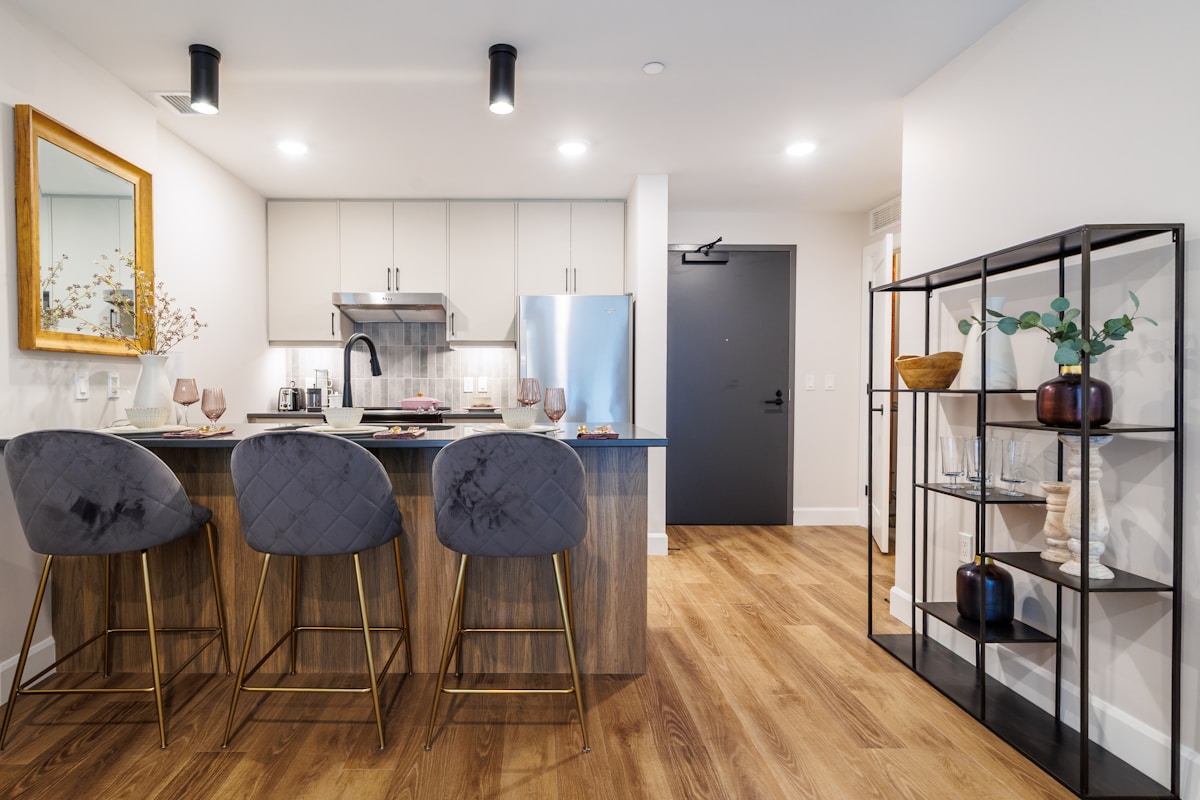
Serviced Apartments and BTR: Speed to Market as a Revenue Driver
Therefore, for serviced apartment operators and BTR developers, zero downtime furnishing between tenancies directly protects nightly and monthly revenue. Myotaku's Signature 48 operational readiness, full furnishing within 48 hours, means a unit is earning rather than sitting idle.
BTR developers also use short-term packages to furnish show apartments and early-occupancy units before locking in a long-term FF&E strategy, cutting lease-up risk considerably.
Relocation and Home Staging: Flexibility as a Commercial Advantage
Relocation companies, operating within frameworks like ARP Relocation, ASAP and EURA Relocation, need furniture solutions that match unpredictable corporate assignment durations, because rental terms running from a few months up to three years, with built-in extension options, make this workable.
Estate agencies using furniture rental for home staging get high-impact presentation without capital commitment, clearing stock the moment a sale completes.
- Serviced apartments: revenue protection through 48-hour unit readiness
- BTR developers: show apartment furnishing without long-term capex commitment
- Relocation: flexible contract lengths matching unpredictable assignment durations
- Home staging: premium presentation, zero post-sale disposal burden
Operators seeking pan-European consistency and transparent, predictable cost structures are welcome to explore Myotaku's approach at myotaku.co.uk.
FAQ - Frequently Asked Questions
What is the minimum term for renting furniture for short term lease in the UK?
Myotaku's rental terms start from one month, which makes short-term furnished deployments genuinely viable for operators who can't commit to multi-year contracts.
For most hospitality and relocation briefs, terms typically run between one and three months at the short end, scaling up to three years for longer operational cycles. The commercial model adapts to your occupancy reality, not the other way around.
Does short-term furniture rental include delivery, assembly and collection?
Yes, end-to-end. Delivery, installation, assembly, and collection at contract end are all included.
What makes this operationally relevant is the Signature 48 commitment: units reach operational readiness within 48 hours of delivery: no contractor coordination, no staged assembly delays, no downtime between tenancies.
For serviced apartment operators managing multiple units simultaneously. That turnaround is the difference between a vacant unit bleeding costs and one generating revenue.
How does furniture rental compare to outright purchase for a BTR development?
The short answer: it depends entirely on your capital structure and how long you plan to hold the asset, since outright purchase preserves long-term cost efficiency on stabilised assets but ties capital into a depreciating FF&E line. Rental converts that capex into a predictable opex, which is far more attractive to institutional investors and CFOs managing return on equity.
We often see BTR developers use rental for initial lease-up phases, then reassess once occupancy stabilises, whereas the lease-to-own model sits usefully in the middle if you want optionality without full commitment upfront.
Can rental furniture be upgraded or swapped during a tenancy?
Yes. Myotaku's catalogue runs to over 10,000 items, and the digital governance model, with QR-coded inventory tracked per unit, means swaps are traceable and auditable rather than operationally chaotic.
Thus, in practice, upgrades happen most often when operators reposition a property mid-cycle or when wear and tear on specific items requires replacement. Both scenarios are handled within the existing contract framework.
There's no need to renegotiate from scratch each time a sofa needs replacing or a client requests a higher specification fit-out.
What happens to the furniture at the end of a short-term rental contract?
Collection, removal, and recycling are all handled by Myotaku. Finally, nothing is left to the operator to sort out.
This matters more than it sounds. One of the hidden operational costs that fragmented local suppliers rarely tackle is end-of-contract logistics: who books the van, who disassembles, who disposes responsibly.
Additionally, with Myotaku, that entire exit process is baked into the service from day one, keeping your site clean and your team focused on the next occupancy cycle rather than furniture clearance.
Is short-term furniture rental suitable for furnished serviced apartments?
It's arguably the most natural fit in the entire hospitality sector. Meanwhile, serviced apartment operators face a specific operational challenge that hotels don't: units turn over at irregular intervals, sometimes within weeks, sometimes after months, and the furniture needs to perform consistently across all of them.
Myotaku's model, built around operational readiness within 48 hours and adaptable to occupancy cycles, addresses that directly. The Association of Serviced Apartment Providers (ASAP) recognises the growing demand for flexible FF&E solutions in this segment, and Myotaku's membership reflects a genuine commitment to sector-specific standards.
For operators managing ten units or a hundred, the consistency and speed of deployment are what make the difference at scale.
Renting Furniture for Short Term Lease Starts with Choosing the Right Partner, Not the Cheapest Catalogue
As a result, the operator who treats FF&E as a procurement line item will always lose ground to the one who treats it as an operational asset. If your current supplier can't commit to 48-hour deployment, can't give you a digitally auditable inventory.
And can't flex between rental and lease-to-own as your portfolio evolves, you're absorbing risk that should sit with your partner, not with you. On the other hand, the next step is simple: map your upcoming pipeline against the five criteria covered.
Then have a direct conversation with a provider who can meet all of them, not just the easiest two or three. Myotaku works with serviced apartment operators, BTR developers, relocation companies and institutional asset managers across the UK, Switzerland and Germany.
For example, if renting furniture for short-term lease is part of your operational model, visit myotaku.co.uk to see how Signature 48 and flexible commercial structures can be built around your specific requirements. Your next unit should be revenue-ready before the ink dries on the lease.
Your next unit should be revenue-ready before the ink dries on the lease.