Long term furniture hire for businesses lets UK operators furnish entire properties without capital expenditure, typically across contract terms aligned to tenancy cycles.
- Contracts commonly run from 6 months upward, scaling to multi-year agreements for large portfolios
- Choose a provider that covers delivery, installation, and replacement as a single managed service
- Preserving capital while maintaining asset flexibility is the core operational advantage over outright purchase
Most operators only question their furniture strategy after a project stalls, when the fit-out budget has been committed, the capex ceiling has been hit, and the keys are already in hand.
For procurement leads, BTR operators, and relocation directors managing multiple units across the UK, long term furniture hire for businesses has moved well beyond a stopgap solution. It now sits at the centre of serious asset planning.
However, the pressure is real: faster lease-up targets, tighter balance sheets, and tenants who expect a fully dressed property from day one (often with no tolerance for phased delivery). Even if the numbers stack up on paper, the wrong hire structure can lock operators into inflexible arrangements that outlast the tenancy itself.
What separates a hire agreement that works from one that quietly erodes margin is rarely the headline rate, it is the contract architecture underneath it.
What Long Term Furniture Hire for Businesses Actually Covers
Long term furniture hire for businesses spans far more than a few desks and chairs on a rolling contract. Therefore, it covers end-to-end FF&E delivery, furniture, fixtures, and equipment, across a catalogue of 10,000+ items, with commercial models structured around three distinct paths: rental, lease-to-own, and outright purchase.
The right model depends entirely on your asset type, occupancy cycle, and capital strategy.
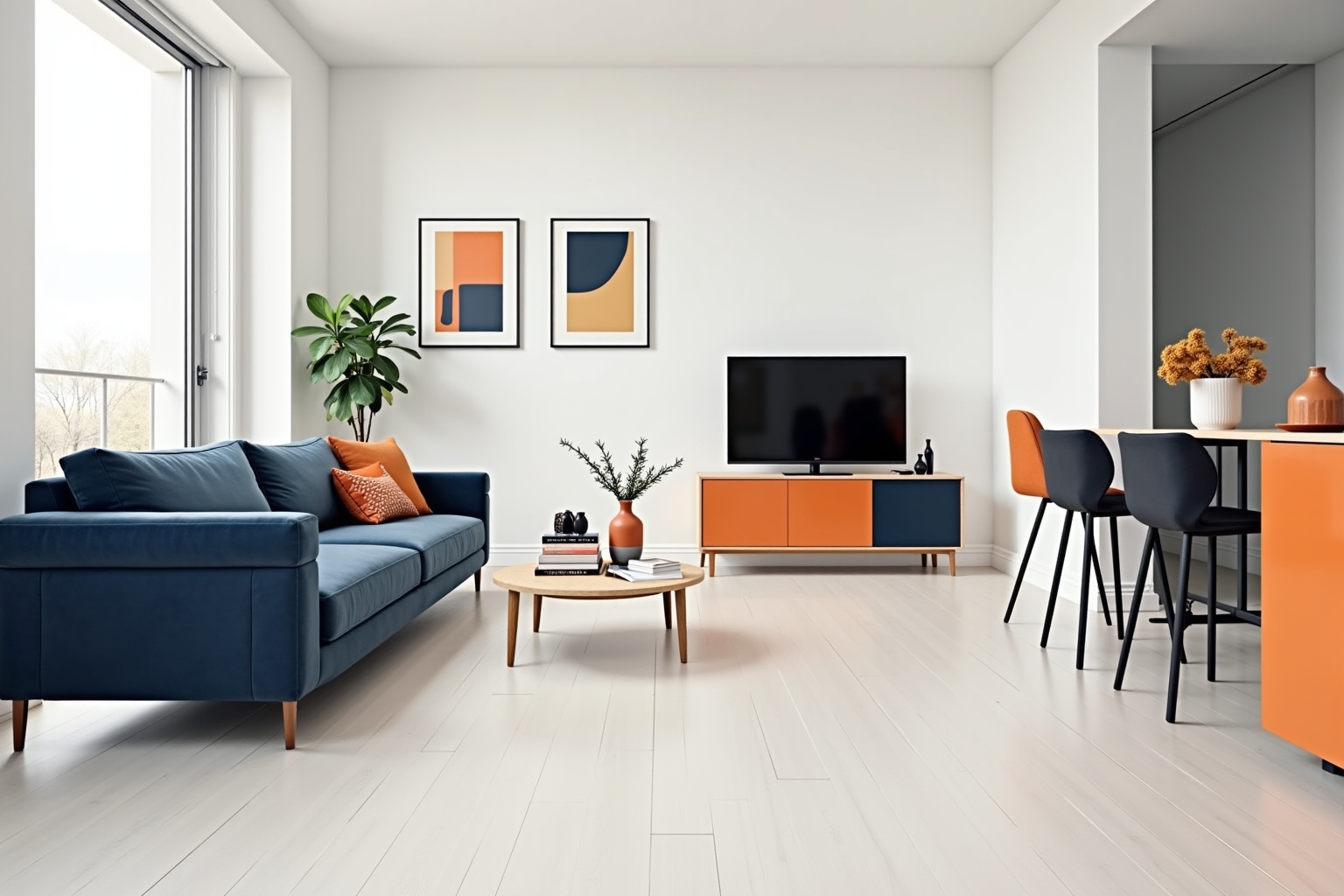
Rental, lease-to-own, and outright purchase: knowing the difference
Rental typically starts at a three-month minimum, then rolls month-to-month, preserving flexibility whilst shifting capex into predictable opex. Lease-to-own suits operators who want eventual ownership without the upfront commitment.
Outright purchase works for long-hold assets where depreciation is already budgeted, and Myotaku supports all three models, often within the same portfolio.
Which business verticals rely on long-term furniture hire most
- Serviced apartments and hotels, speed to market and standardisation across units
- Build-to-Rent and PRS, lease-up velocity and tenant experience at scale
- Corporate relocation, flexible durations aligned to assignment length
- Home staging, fast turnaround, visual impact, cost control
- Embassies and permanent missions, compliance, durability, long-term flexibility
Across all these sectors, operational readiness within 48 hours is what separates a credible FF&E partner from a furniture supplier. Ownership burden, storage costs, and disposal complexity vanish entirely, replaced by a transparent, predictable cost structure built around your operational model.
5 Criteria That Separate a Serious Hire Partner from a Catalogue Vendor
Five criteria. That's all procurement teams and asset managers need to separate a genuine operational partner from a vendor who simply ships boxes.
Evaluating long-term furniture hire for businesses on these dimensions alone will cut most of the market out immediately.

Why 48 hours is the real benchmark
Speed to operational readiness is the criterion most vendors quietly sidestep. Myotaku's Signature 48 commitment delivers furnished, occupancy-ready units within 48 hours. Because every day a unit sits empty is direct revenue loss for operators.
A serviced apartment sitting unfurnished for a week in central London isn't a minor inconvenience; it's a material yield gap. No serious asset manager should accept a partner who can't quantify their deployment window.
Digital governance, inventory traceability, and auditability
QR-coded inventory tracking per unit isn't a marketing feature. It directly tackles one of the sector's most stubborn weaknesses: poor traceability across multi-site portfolios.
Myotaku's digitally governed FF&E delivery means every item is auditable and replaceable on demand.
Which matters considerably when a CFO or procurement lead needs to reconcile assets across Birmingham, Manchester, and London simultaneously.
- Contract flexibility: Fixed rental terms from 12 months up to 60 months, with the ability to switch between rental, lease-to-own, and outright purchase as occupancy cycles evolve.
- Pan-market consistency: A single partner covering the UK, Switzerland, and Germany eliminates fragmented local sourcing and the operational drag it creates.
- Transparent cost structures: No hidden operational costs means predictable budgeting for CFO sign-off, with end-to-end service covering design, procurement, delivery, installation, maintenance, removal, and recycling.
The remaining three criteria are equally non-negotiable for serious operators: Catalogue vendors offer furniture. Operational partners offer performance.
Thus, for any business evaluating long term furniture hire for businesses at scale, the difference between the two shows up the moment something needs replacing at short notice.
Capex vs Opex, the Financial Case That Gets Boardroom Buy-In
Outright furniture purchase ties capital up in depreciating assets, assets that sit on the balance sheet, demand disposal budgets, and deliver zero return when a unit stands empty. For CFOs and institutional investors overseeing hospitality, BTR, or serviced apartment portfolios, long term furniture hire for businesses reframes the entire conversation: furniture becomes a predictable operational line item, not a capital commitment.
How furniture hire converts a capital expense into a predictable operational cost
Additionally, the structural advantage is simple. Monthly hire costs can be matched directly to rental income cycles. So furniture spend moves in step with occupancy revenue rather than against it.
Meanwhile, operators scaling across multiple units in London, Manchester, or Birmingham avoid the stranded asset risk that comes with owned inventory, no surplus stock. No storage overhead, no write-downs when a building repositions. Fixed monthly costs also simplify financial modelling for developers and institutional investors who need clean, auditable numbers.
- No upfront capital outlay, preserves liquidity for core operations
- Fixed monthly costs matched to occupancy revenue cycles
- Scale up or down without stranded asset exposure
- End-of-life removal and recycling included, zero disposal costs to budget for
- Digitally governed FF&E delivery with QR-coded inventory for audit-ready reporting
When lease-to-own makes more sense than pure rental
As a result, for operators with a three-year-plus horizon who want eventual asset ownership without the upfront capex hit, lease-to-own offers a credible middle path. Payments stay operational in structure while building towards ownership, a model that suits stabilised BTR assets or long-term serviced apartment programmes where the furniture specification is unlikely to change. Myotaku tip: Request a split financial model showing pure rental versus lease-to-own across a 36-month period.
The total cost of ownership comparison often shifts the decision at board level faster than any qualitative argument.
What Most Furniture Hire Providers Won't Tell You
On the other hand, the quoted day rate looks reasonable. The contract gets signed. Then, three months in, the real costs surface: duplicate invoices from four different local suppliers, a damaged unit nobody logged, and a replacement lead time that kills your next tenancy.
Long term furniture hire for businesses is sold on convenience. But too many providers quietly depend on operational gaps that cost operators far more than the headline price lets on.

Hidden costs buried in fragmented local sourcing
Above all, working with multiple local vendors across a portfolio creates coordination overhead that never shows up in a proposal. Mismatched lead times, inconsistent quality between units, and separate maintenance relationships all translate into management hours and write-offs.
Myotaku's pan-European model, covering the UK as a single consistent supplier, cuts that overhead entirely. Nonetheless, One point of contact.
One invoice. One quality standard across every asset.
Why rigid contracts cost operators more than premium pricing
Subsequently, many hire providers lock clients into fixed terms with punitive exit clauses, offering no real path between rental, lease-to-own, and outright purchase. When occupancy shifts or a portfolio strategy changes, that rigidity gets expensive.
True flexibility means switching commercial model without penalties, not just picking a term length. However, Myotaku structures agreements around your operational model, not the other way round.
There's a fourth issue rarely disclosed: manual inventory workflows. Without unit-level tracking, wear-and-tear goes undetected, compliance gaps build up, and replacement costs surface as surprises.
Therefore, digitally governed FF&E delivery, with QR-coded inventory auditable at asset level, directly closes that gap. Turning a reactive cost centre into a traceable, manageable line item.
Long Term Furniture Hire for Businesses Across Key UK Sectors
Myotaku handles long-term furniture hire for businesses across five distinct UK verticals, each with different occupancy cycles, compliance requirements, and speed expectations. The sectors below are where furnishing decisions carry the highest financial consequence, chosen because a wrong supplier in any of them directly hits rental yield, occupancy rates, or client retention.
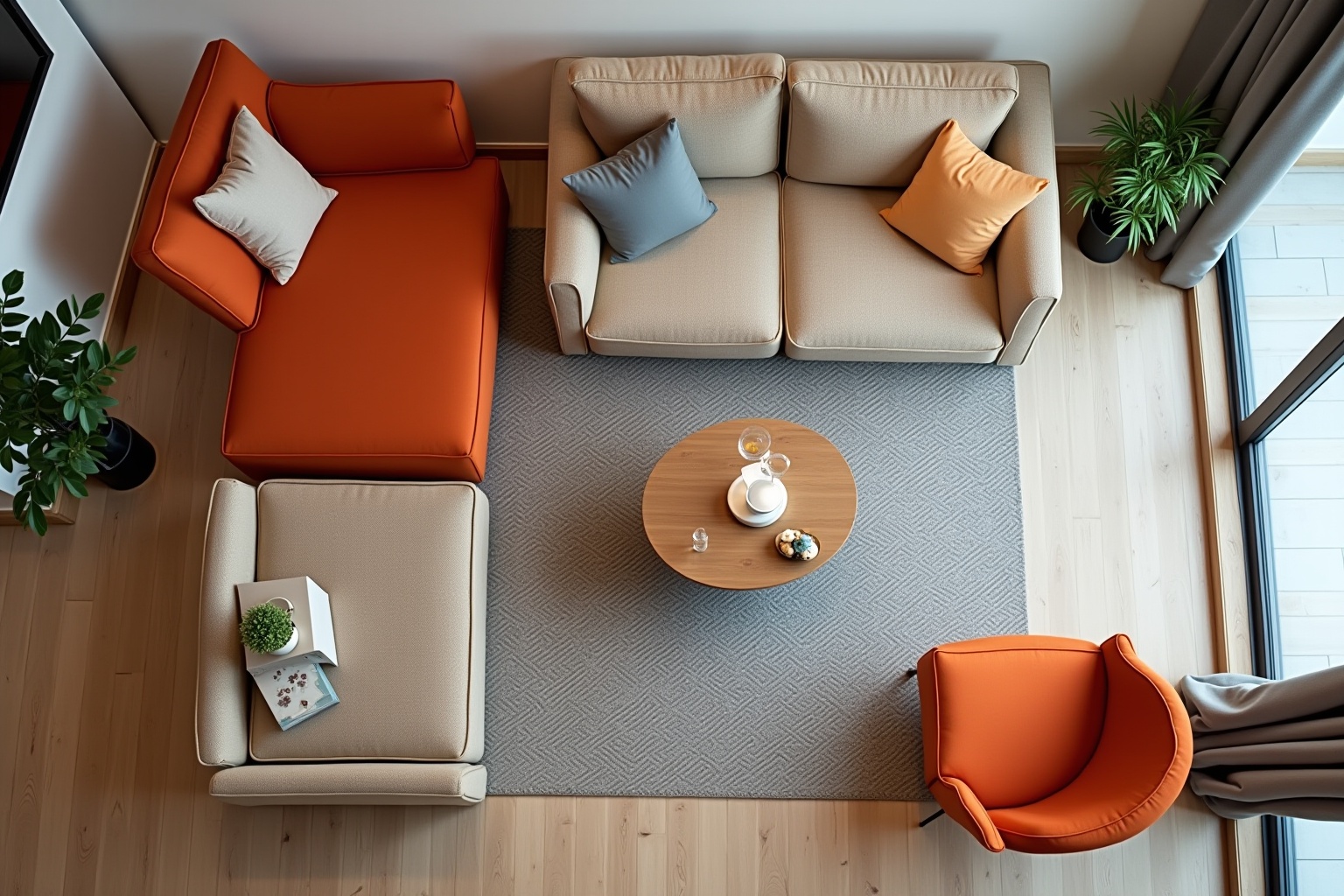
Serviced apartments, PBSA, and BTR: furnishing at operational scale
For serviced apartment operators, PBSA managers, and BTR developers, standardisation across dozens or hundreds of units is non-negotiable. Wear-and-tear replacement, speed to market, and consistent tenant experience directly shape rental yield. Although Myotaku's catalogue of 10,000+ items and Signature 48 deployment, operational readiness within 48 hours, means units go live without downtime.
Lease-to-own and rental models convert capex into predictable opex. A structure that lands immediately with institutional investors and asset managers watching portfolio performance.
Corporate relocation and diplomatic missions: compliance, speed, and discretion
Corporate relocation clients, including members of ARP Relocation, ASAP, and EURA Relocation, need short-to-long-term flexibility, premium quality, and zero operational friction, while HNWI and senior executive assignees expect white-glove delivery, not a catalogue drop.
Embassies and permanent missions add a further layer: durability, long-term contract flexibility, and absolute discretion are non-negotiable. Myotaku's digitally governed FF&E delivery, with QR-coded inventory traceable at unit level.
- Home staging: visual impact within tight timelines, with hire eliminating the disposal problem post-sale
- Hotels: turnkey FF&E packages adaptable to occupancy cycles, with maintenance and swap-out included
- Offices and project spaces: month-to-month extensions after an initial term, built around changing headcount
This meets procurement audit requirements that most local suppliers simply can't match. Across every vertical, a single operational partner with pan-European consistency replaces the fragmented local sourcing that slows projects and inflates hidden costs. That operational simplicity is, in the end, the point.
FAQ - Frequently Asked Questions
What is the minimum contract length for long term furniture hire for businesses in the UK?
At Myotaku, contracts start from one month, with longer arrangements typically running from three months up to three years. For most commercial operators, BTR schemes, serviced apartment portfolios, PBSA assets.
The sweet spot lands between twelve and thirty-six months, where predictable opex budgeting and operational flexibility actually align.
Can businesses switch from rental to lease-to-own partway through a contract?
Yes, and this flexibility is one of the more practical advantages of working with an operational FF&E partner rather than a rigid supplier.
Myotaku's commercial model is built to move between rental, lease-to-own, and outright purchase as your asset strategy evolves. Thus, I've seen multi-site operators start on a short-term rental basis during lease-up, then convert to lease-to-own once occupancy stabilises, without replacing a single piece of furniture or renegotiating from scratch.
Does long-term furniture hire include delivery, installation, and removal?
Yes. The full service covers procurement, delivery, installation, assembly, maintenance, replacement, and end-of-contract removal and recycling.
Finally, Myotaku's Signature 48 commitment means operational readiness within 48 hours of delivery, zero downtime furnishing, built for immediate occupancy. Nothing gets handed off to a third-party logistics provider who's never seen your floor plan.
How does digitally governed FF&E inventory work in practice?
Every item is QR-coded at unit level, linked to a digital catalogue that is traceable and fully auditable throughout the contract lifecycle.
In practice, this means your asset manager or procurement team can verify exactly what is installed in each unit across every site, London, Birmingham, Manchester, without relying on spreadsheets or manual stocktakes.
For institutional investors and operators managing dozens of units simultaneously, that level of transparency is not a nice-to-have. Additionally, it directly reduces replacement disputes, accelerates maintenance workflows, and gives CFOs a clean line of sight into FF&E depreciation.
Is long-term furniture hire more cost-working than buying outright for multi-site operators?
For most multi-site operators, the honest answer is: it depends on your balance sheet priorities, not just the unit cost. Outright purchase ties up capex, creates depreciation complexity, and leaves you holding the replacement risk when a sofa hits end-of-life in year three.
Long-term hire converts that into a predictable monthly opex line, cleaner for CFOs. Easier to scale across new sites without fresh procurement cycles.
As a result, where Myotaku's model gets particularly powerful is at scale: a 10,000-item catalogue, pan-European consistency across UK, Swiss, and German assets. And transparent cost structures with no hidden operational charges mean the total cost of ownership calculation shifts decisively in favour of hire once you move beyond a single-site operation. Speak to the team at myotaku.co.uk to model the comparison against your specific portfolio.
Long Term Furniture Hire for Businesses Demands a Partner, Not a Vendor
The operator who treats furnishing as a procurement checkbox will eventually pay for that decision in downtime, audit failures, and capital tied up in depreciating assets.
On the other hand, the practical next step is straightforward: map your pipeline against the five criteria covered in this article, then pressure-test your current or shortlisted supplier against each one. Where gaps appear, they represent operational risk, not just preference.
Myotaku's Signature 48 model and digitally governed FF&E delivery were built specifically for operators who cannot afford ambiguity at scale. For example, if you are evaluating long term furniture hire for businesses across a UK portfolio, the Myotaku team offers a consultative review of your requirements, with no obligation attached.
Start that conversation at myotaku.co.uk.
The right partner does not just furnish your assets. They protect their performance.