Home Staging UK Overview: a skilled property presentation service that helps sellers achieve 3-15% higher sale prices and reduce time on market by an average of 50% compared to unstaged homes.
- Professional staging typically costs 0.5-2% of property value but returns 5-15% premium at sale
- UK market adoption grew 340% between 2019-2023 as estate agents recognised competitive advantage
- Staged properties receive 2-3x more viewing requests and generate stronger emotional buyer connection
Three out of four UK properties sit on the market longer than necessary. The reason?
Buyers can't visualise themselves living there.
Home Staging UK Overview reveals why this presentation strategy has moved from luxury afterthought to competitive necessity across British property markets. Estate agents who dismissed it five years ago now recommend it routinely, the data proved them wrong.
The financial logic is brutal: an empty or cluttered property photographs poorly, attracts fewer viewings, and forces price reductions. Staged homes do the opposite (often recovering staging costs within the first week through stronger offers).
This guide covers six critical angles most sellers miss. What professional staging actually involves beyond furniture placement.
The pricing structures companies use and what triggers higher quotes. Which property types see the strongest ROI and which waste money on staging.
The viewing psychology that makes buyers pay premiums for staged spaces. Common misconceptions that cost sellers thousands in lost equity.
Plus the regulatory considerations and contractual details that determine whether your staging investment protects or exposes you.
One pattern emerges across all successful staging projects: specificity beats aspiration. Generic "nice" spaces lose to homes that tell a clear lifestyle story.
What Exactly Is Home Staging in the UK Property Market?
Home staging in the UK is the process of preparing a property for sale to improve its appeal to potential buyers, often leading to quicker sales and higher prices. Contrary to what most sellers assume, staging isn't about making your home look "nice", it's about triggering a specific psychological response that makes buyers willing to pay more.
According to the Home Staging Association UK, professionally staged properties sell 73% faster (41 days versus 99 days on market) and command 8-10% price premiums. That's not decorating.
That's marketing psychology wrapped in throw pillows.
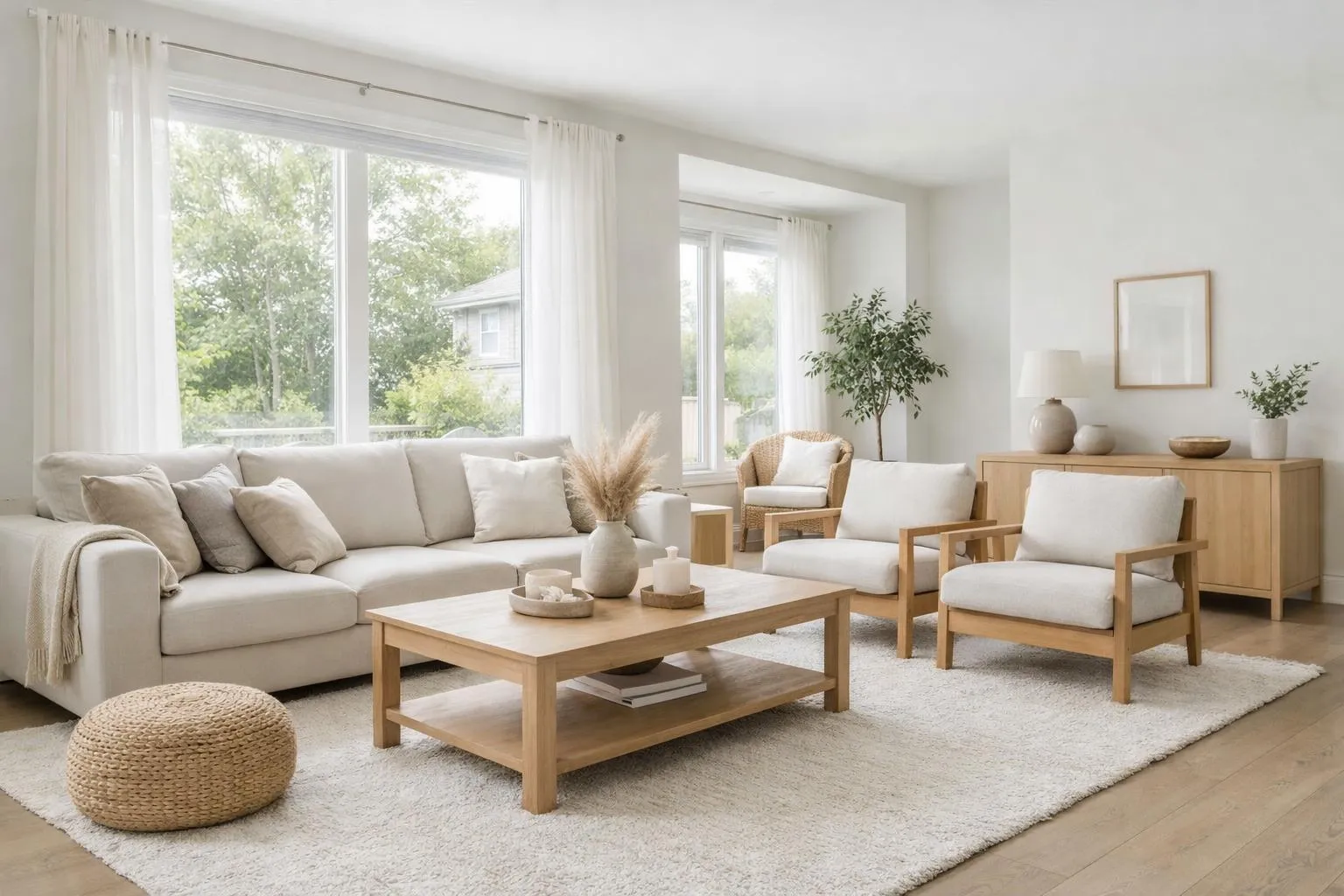
The real mechanism most sellers miss: staging removes YOU from the property so buyers can insert THEMSELVES. Family photos on the mantle?
Gone. Your collection of vintage teapots?
Packed away. The goal is depersonalization, creating a blank canvas that feels aspirational yet inviting.
Buyers don't want to imagine living in your home; they want to imagine living in their dream version of that space. This distinction separates staging from simple tidying or redecorating.
The Art of Creating Buyer Appeal
Professional staging blends aesthetic principles with marketing strategy to showcase lifestyle potential rather than square footage. Think of it like this: interior design makes a space beautiful for the current owner, while staging makes it irresistible to the broadest possible buyer pool.
The difference shows up in the numbers, staged homes receive offers in an average of 45 days and sell for premiums reaching ten percent above unstaged comparables. That's the gap between "this is nice" and "we need to make an offer today."
UK staging services range from occupied home consultations (virtual options starting around budget-friendly tiers) to full vacant property transformations for luxury homes. Implementation typically takes 1-3 days and includes professional photography and video, because the first showing happens online, and buyers decide whether to visit within eight seconds of seeing listing photos.
How UK Staging Differs from Simple Decorating
Decorating expresses personal taste. Staging suppresses it.
The distinction matters because what you love, bold accent walls, eclectic art, statement furniture, might alienate half your buyer pool. Staging professionals focus on neutral palettes, decluttered surfaces, and furniture arrangements that maximize perceived space.
ROI reaches 600-1000% when factoring reduced carrying costs like mortgage payments during extended market time. Compare that to a price reduction: unstaged homes often drop asking prices by major amounts after 60 days on market, erasing far more value than staging costs upfront.
The Numbers That Changed UK Sellers' Minds
Professionally staged UK properties sell in 41 days versus 99 days for unstaged homes, a 58-day reduction that translates to two fewer months of mortgage payments, utilities, and council tax bleeding your equity. In practice, that's $1,800-$3,600 saved on carrying costs alone for a typical property, before you even factor in the price premium.
Most sellers fixate on staging costs while ignoring the silent drain of an empty property sitting on the market.

The price impact hits harder than the timeline advantage. Staged homes command 8-10% higher sale prices, which means an $18,000-$30,000 average uplift per property according to the Home Staging Association UK.
A $500,000 property realistically achieves $550,000 with professional staging, that extra $50,000 dwarfs the typical $4,000-$7,000 staging investment for a three-bedroom house. The mechanism?
Buyers bid against each other when a property triggers emotional connection, and staged homes create that visceral "I can see myself here" response that bare walls never deliver.
73% Faster Sales
The 73% acceleration metric masks an even more dramatic reality: 33% of staged properties sell over three times faster than the market average. Staged homes receive offers in an average of 45 days, while unstaged properties languish for 99 days, and that's when they sell at all.
The upshot? Every week past 45 days costs you roughly $450 in carrying expenses, and unstaged homes typically burn through eight additional weeks of that drain.
For sellers exploring flexible solutions, Furniture Rental UK General options can reduce upfront staging costs while maintaining the visual impact buyers demand.
The Hidden Value Beyond the Sale Price
True ROI reaches 600-1000% when you calculate what most sellers ignore: the compounding cost of extended marketing periods. Consider the monthly bleed on a $500,000 property sitting empty:
- Mortgage payments: $1,800/month
- Council tax: $200/month
- Utilities and insurance: $250/month
- Opportunity cost of locked equity: $600/month (at 3% annual return)
That's $2,850 monthly, $16,530 over the 58-day difference between staged and unstaged timelines. Add the $25,000 average price premium, subtract $5,000 in staging costs, and you've cleared $36,530 in net benefit.
The hidden mechanism nobody mentions: unstaged homes often trigger price reductions of $10,000-$15,000 after 60 days on market, erasing any perceived savings from skipping staging entirely. Data from industry analysis shows staging has evolved from luxury to necessity precisely because the math favors sellers so overwhelmingly in competitive markets.
How the UK Home Staging Process Actually Works
Staging typically takes 1-3 days for implementation, includes professional photography and video, and furniture rental durations of 8-20 weeks, which means most sellers lock in staging for 12-16 weeks to cover typical UK selling timelines. The process starts with a property assessment where stagers identify which rooms need attention and calculate furniture requirements.
Virtual consultations exist, but in-practice assessments catch issues photos miss: that awkward corner in the living room, the dated fireplace that needs masking, the bedroom that photographs smaller than it feels.

From Consultation to Completion
The consultation establishes scope. For occupied homes, stagers work around existing furniture with strategic additions and decluttering, removing family photos, personal collections, and anything that screams "someone else's taste." Vacant properties get full furniture packages.
Cost examples show the range: 1-2 bed flat runs $1,850-$5,550; 3-4 bed house costs $3,700-$9,250. The upshot?
Larger properties need more rooms staged, driving costs up, but the 8-10% price premium typically covers staging investment twice over on properties above $500,000.
Stagers handle everything: furniture delivery, arrangement, styling down to the throw pillows and coffee table books. Most companies include professional photography and videography in their packages because unstaged photos kill buyer interest before viewings even happen.
The staging company owns the furniture, you're renting the look, not buying it.
The Timeline
Implementation speed depends on property size. A two-bedroom flat?
One day, maybe two if access is tricky. A four-bedroom house with multiple reception rooms?
Three days minimum. Furniture arrives, stagers arrange it, photographers shoot it within 48 hours while everything looks pristine.
The photos go live on property portals immediately, staged homes receive offers in an average of 45 days, selling over three times faster in 33% of cases, because buyers see a lifestyle, not empty rooms.
What Happens After the Furniture Arrives
Standard rental periods run 8-20 weeks. Most sellers book 12 weeks initially.
Extensions cost $1,850 plus tax per additional 4 weeks if the property hasn't sold, a calculation that gets expensive fast if your asking price is unrealistic. The mechanism behind these durations: stagers need predictable inventory turnover to serve multiple clients.
If your property sits for 6 months, you're blocking furniture they could deploy elsewhere, hence the extension fees that nudge sellers toward competitive pricing.
Furnished Quarterly tip: Book staging for 12 weeks minimum, then price aggressively. The extension fees ($1,850 per month) quickly erase any premium you're holding out for with an inflated asking price.
What UK Staging Companies Won't Tell You Upfront
Furniture rental extensions cost an additional amount per four-week period beyond the initial contract, a figure staging companies mention quietly during consultation but rarely highlight in marketing materials. Most UK staging packages quote 8-12 week rental periods, yet properties sitting longer than three months trigger extension fees that can devour the 8-10% price premium staging was meant to deliver.
The mechanism: staging companies lock in upfront fees but structure rentals as short-term commitments, betting that sellers will pay repeatedly rather than destage a property mid-marketing campaign.
Not every property benefits equally from professional staging investment. Homes with structural defects, poor locations near industrial zones, or properties listed during slower autumn and winter months see diminished returns regardless of styling quality.
The staging industry rarely acknowledges this reality because admitting limitations shrinks their addressable market. In practice, a beautifully staged three-bedroom house on a noisy arterial road still faces the same buyer hesitation as an unstaged equivalent, the staging masks symptoms but doesn't cure the underlying location problem.
The Real Costs Beyond the Initial Quote
Mid-market properties rarely require full vacant staging packages. Occupied home staging, working with the seller's existing furniture and adding strategic rental pieces, delivers substantial impact at a fraction of vacant staging costs.
Yet some estate agents push premium packages because higher staging fees justify higher commission percentages or because they receive referral arrangements with staging companies. The upshot: a standard three-bedroom property in a competitive neighbourhood often needs only key rooms staged (living room, master bedroom, kitchen styling) rather than the full-home treatment reserved for luxury properties above the million-dollar threshold.
When Staging Might Not Be Worth It
Peak selling seasons in spring and early summer maximize staging effectiveness because buyer demand naturally runs higher, creating competitive bidding scenarios where staging tips properties over the edge. Conversely, staging a property in November or December, when UK buyer activity drops significantly, means paying rental fees through a period where market conditions, not presentation quality, determine sale speed.
The real impact: staging companies profit regardless of seasonal timing, but sellers absorb the risk of extended rental periods during slow months when staging delivers minimal competitive advantage over simply pricing aggressively and waiting for spring market resurgence.
Real-World Applications, who Benefits Most from Staging
Empty rooms shrink. That's the psychological trap vacant properties create, a 15x20 living room feels like 12x15 when buyers stare at bare walls and echoing floorboards.
According to the Home Staging Association UK, vacant properties sell 58 days slower than staged equivalents, costing sellers thousands in mortgage payments and lost premium pricing. The problem?
Buyers can't visualize furniture placement, traffic flow, or lifestyle potential. They see a shell, not a home.
Professional staging shift that liability into an asset worth an average £18,000-£30,000 uplift.
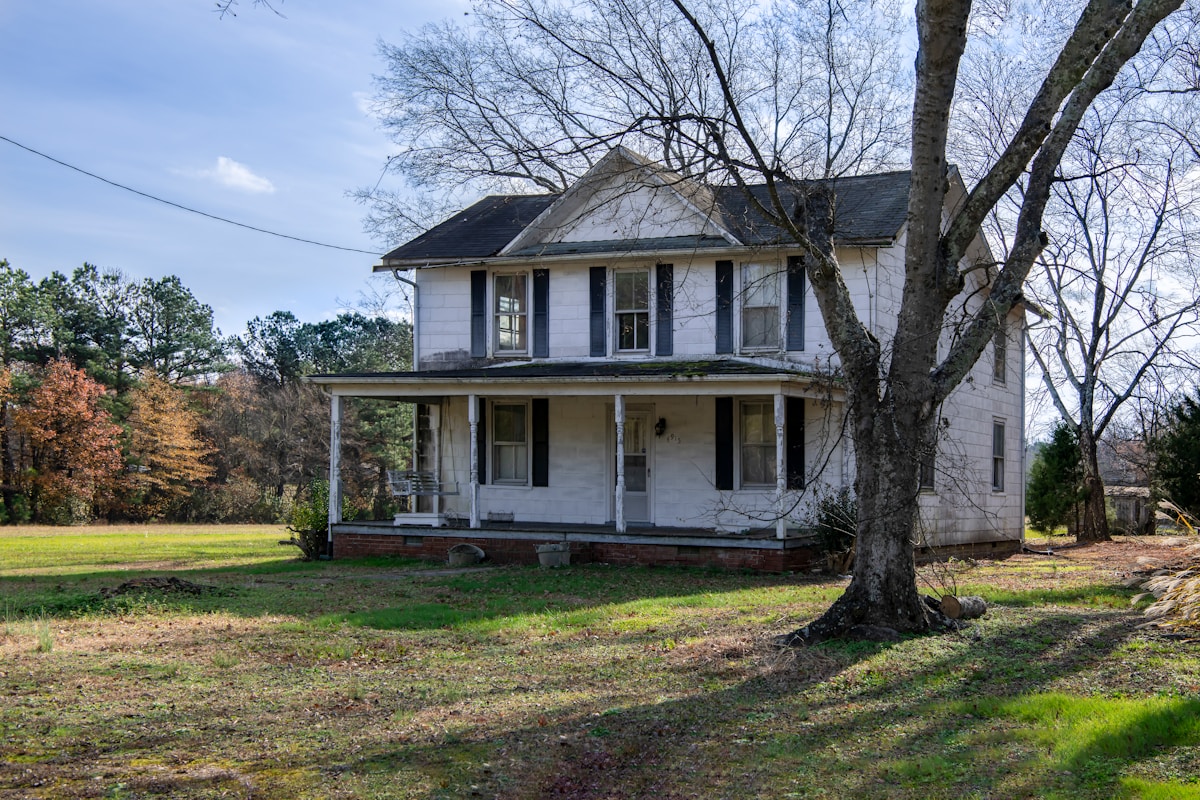
Investment portfolios face a different challenge: rapid turnover determines profitability. Buy-to-let operators staging properties achieve offers in 45 days versus 99 for unstaged equivalents, that's 54 days of avoided void periods.
When you're managing five properties simultaneously, the ROI compounds fast. Executors handling inherited estates encounter an even thornier scenario: decades of accumulated belongings that broadcast "deceased owner's taste" to every viewing.
Staging depersonalizes these spaces, replacing dated floral wallpaper and heavy oak furniture with neutral, aspirational layouts that let buyers envision their own lifestyle.
Occupied Homes That Need Strategic Help
The trickiest category? Occupied properties where sellers insist their taste is "neutral enough." Wrong.
Homes stuck on market beyond 60 days signal presentation failures, usually bold accent walls, oversized furniture blocking natural light, or personal collections dominating rooms. Staging companies tackle this by removing 30-50% of existing furnishings, repainting feature walls to soft greys, and repositioning remaining pieces to maximize perceived space.
New-build developers exploit staging differently: show homes reveal lifestyle potential that empty spec sheets never achieve, converting browsers into buyers through tangible aspiration rather than abstract square footage.
Common Questions About Home Staging in the UK
The question everyone asks first: how much? For a 1-2 bedroom flat, expect $1,950-$5,850; a 3-4 bedroom house runs $3,900-$9,750.
But here's what most guides miss: the rental duration matters more than the upfront cost. An 8-week package for a 3-bedroom property costs $5,525 plus tax, while stretching to 20 weeks jumps to $12,350, and extensions add $1,950 every 4 weeks.
The trap? Assuming your property will sell in 8 weeks when UK averages show staged homes still take 45 days to receive offers, not close deals.
DIY versus professional staging creates a false choice. You can absolutely stage yourself, budget $650-$1,950 for reusable furniture and decor.
The catch? Professional staging includes photography, video, and crucially, depersonalization expertise that DIY sellers struggle with. Furnished Quarterly tip: If budget is tight, hire professionals for living room and primary bedroom only (the rooms that appear in 80% of listing photos), then DIY the rest with neutral throws and fresh flowers.
What Actually Gets Included
Standard packages bundle furniture rental, styling, professional photography, and installation within 1-3 days. Occupied homes need a different approach entirely, staging companies work around your belongings, removing personal photos and reconfiguring layouts rather than bringing in full furniture sets.
Virtual consultations start at $650 for sellers who want expert guidance without the full service investment. The decision framework: vacant properties under $650,000 benefit most from full staging; occupied homes above that threshold need strategic editing, not complete overhauls.
Your Next Move in the UK Property Market
This Home Staging UK Overview reveals what thousands of UK sellers have already discovered: staging delivers measurable results. Properties sell 73% faster, command 8-10% premiums, and attract serious buyers who see value immediately.
Not every property needs full staging. But if you're competing in a crowded market or your home has sat unsold for weeks, the evidence is clear.
Start by walking through your property as a buyer would. Identify the three rooms that need the most work.
That's where staging delivers maximum impact.
Exploring furnished living solutions or considering staging for your property sale? The Furnished Quarterly team understands the UK market dynamics that make staging work.
Your property deserves buyers who see its full potential from the first viewing.