Furniture rental for staging is worth it when holding periods are short, fit-out speed matters, and capital is better deployed elsewhere in the asset.
- Rental typically makes financial sense for staging cycles under 12 months, where purchase and disposal costs erode margin
- Evaluate total cost of ownership, not just monthly rate, against your average void period and resale recovery
- The strategic case for rental strengthens when portfolio scale, brand consistency, and logistics complexity enter the equation
The question of whether is furniture rental worth it for staging rarely gets the rigorous treatment it deserves, most operators default to gut instinct, copy a competitor's approach, or let procurement decide based on the lowest line-item cost.
That instinct is often wrong. For property developers, estate agencies, and asset managers staging multiple units across a portfolio, the furniture decision is a capital allocation question with real operational consequences, not a décor exercise.
Staging timelines, void period exposure, logistics overhead, and brand consistency all shift the calculus in ways that a simple rent-versus-buy price comparison misses entirely.
What follows is a decision framework that cuts through the noise: the conditions under which rental wins, the scenarios where ownership makes more sense, and the variables most senior operators overlook until they've made the wrong call once already.
Why the Staging Decision Is More Operational Than It Looks
Most property professionals frame staging as a presentation question. It isn't.
A vacant property sitting on the market for an extra three to four weeks represents a measurable revenue gap, a weakened negotiating position, and, for developers managing multiple units, a compounding liability. Therefore, whether is furniture rental worth it for staging bottom line comes down to one calculation: how much does each week of vacancy cost you, versus the operational investment required to eliminate it?
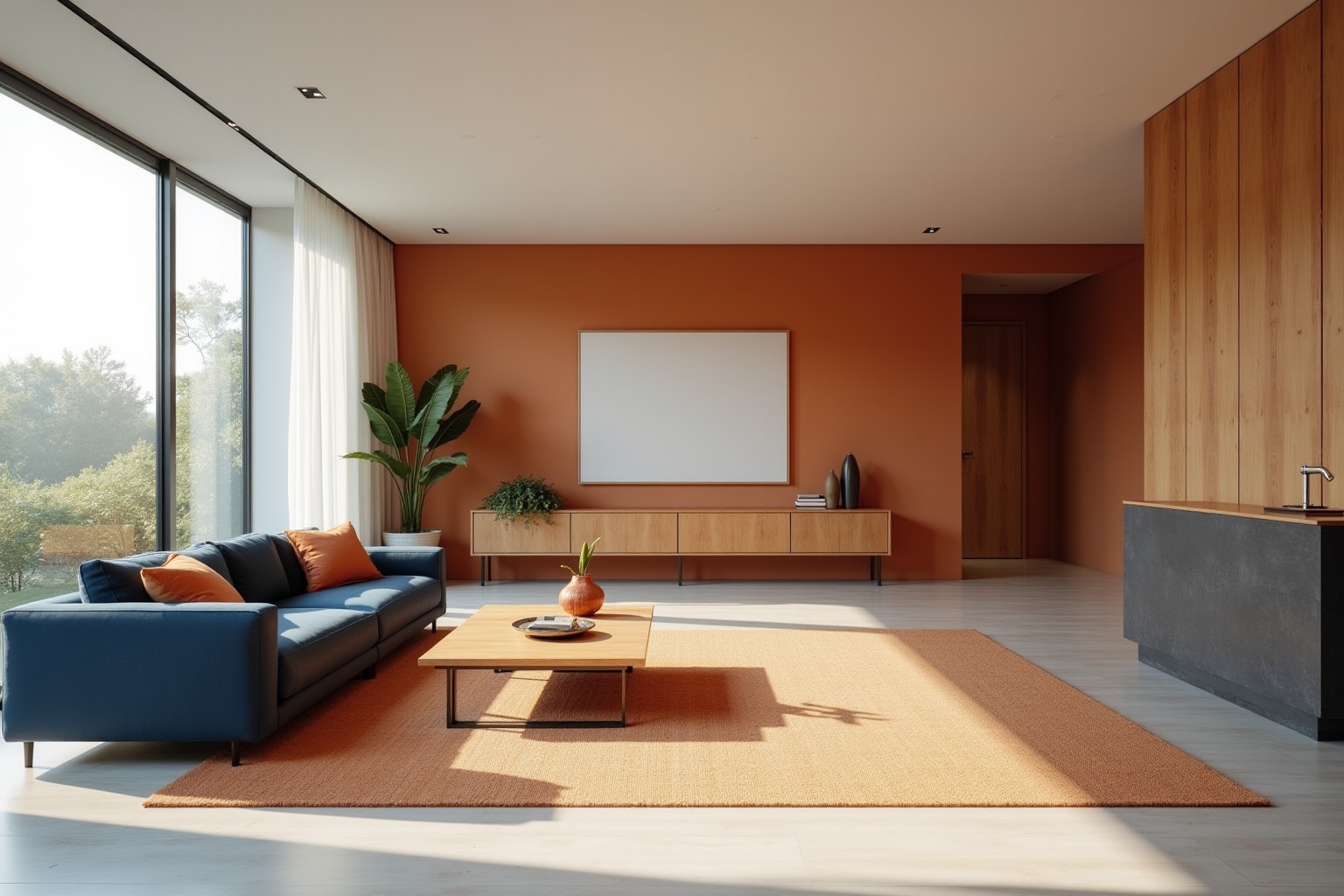
The real cost of a vacant, unfurnished property
Empty rooms misrepresent scale, distort proportions, and give buyers or tenants no emotional anchor. Open-plan layouts suffer most: without furniture, square footage becomes abstract.
For premium listings in London, Birmingham or Manchester, where perceived value drives yield, an unfurnished unit actively suppresses the offer. Operational readiness within 48 hours, as Myotaku's Signature 48 model delivers, is not a convenience feature.
It is a direct response to the financial cost of delay.
What staging furniture actually needs to deliver
Staging furniture must perform against a clear brief: visualisation, speed, and removal without friction. Rental contracts starting at one to three months align precisely with typical sales or leasing windows, keeping costs predictable.
For expert operators, is furniture rental worth it for staging is rarely an aesthetic debate. It is a decision framework built around timelines, asset performance, and transparent cost structures.
Renting vs Buying Staging Furniture, The 5 Criteria That Actually Matter
The answer to whether is furniture rental worth it for staging comes down to one question most property professionals skip: how many times will this furniture actually work? Rent if the answer is once or twice.
Buy only when the same inventory will rotate across multiple properties over an extended period. Everything else is a detail, but the details add up fast.

Frequency of use and inventory reuse across projects
Ownership only becomes cost-that delivers when the same pieces are reused repeatedly across multiple listings. For a single staging assignment or a short sales window, the maths rarely favour purchase.
Rental contracts typically run one to three months, which aligns precisely with standard UK sales and leasing cycles. Beyond that window, you are paying to store, insure, and eventually dispose of furniture that generates no return.
Capital exposure, storage costs and disposal burden
The true cost of ownership is rarely what appears on the procurement invoice. Storage, insurance, periodic repair, and end-of-life disposal are invisible line items that consistently inflate the real figure.
From a CFO perspective, rental converts a capital expenditure into a predictable operational cost, preserving liquidity for higher-priority deployment. Thus, that Capex-to-Opex shift is not a minor accounting preference, it is a structural advantage for asset managers and developers managing multiple projects simultaneously.
Use this framework to make the call:
- Project duration under 3 months, rental wins on cost and flexibility
- Single listing or one-off assignment, rental removes storage and disposal burden entirely
- Speed to market is critical, rental with same-week delivery outpaces any owned-furniture procurement cycle
- Repeated multi-property use over 12+ months, ownership may become competitive over time
- Capital preservation is a priority, rental keeps cash in the business
Speed deserves its own weight in this decision. Myotaku's Signature 48 service delivers operational readiness within 48 hours, which eliminates the one argument ownership occasionally wins on, control over timing.
Finally, when a vacant property needs to present well before a viewing window closes, a 48-hour deployment cycle changes the commercial equation entirely. Rental, done at this level, is not furniture rental worth it for staging as a cost question, it is a performance decision.
When Furniture Rental for Staging Is Clearly the Right Call
The question of is furniture rental worth it for staging resolves quickly once you map the scenario against one decisive variable: how long the furniture actually needs to be there. Additionally, for a one-off residential sale with a six-to-eight week listing window, rental is not just cheaper, it eliminates procurement, storage, and disposal entirely.
The commercial logic is unambiguous.

Short sales windows and time-critical launches
A BTR operator staging a leasing suite ahead of a launch event faces a constraint that buying furniture cannot solve: time. Operational readiness within 48 hours is non-negotiable when a launch event is already in the diary.
Meanwhile, purchasing means lead times, delivery coordination, and eventual disposal costs, none of which have a place in a lease-up programme running against a fixed commercial deadline. Rental terms starting from one to three months align precisely with these cycles.
Multi-unit developments and show home programmes
A developer staging four to eight show apartments across two sites faces a different but equally clear case. As a result, buying that volume of furniture ties up capital, creates a logistics problem on completion, and leaves an asset nobody wants to manage.
Rental converts the entire exercise into a predictable operational cost, scoped, delivered, and removed without residual burden.
The scenarios where rental wins consistently include:
- One-off residential sales with short listing windows
- New-build show homes and PBSA launches requiring fast deployment
- BTR lease-up programmes with fixed launch dates
- Estate agencies managing a rotating stock of vacant listings
Myotaku's catalogue of over 10,000 items, combined with flexible rental terms from one month to three years, is built precisely for these scenarios, where speed, presentation quality, and zero operational friction matter more than lowest upfront cost.
Myotaku tip: When briefing a staging project, define the vacancy window first. If it is under three months, rental almost always delivers a stronger commercial outcome than purchase, and Myotaku's Signature 48 deployment means the clock starts the moment you confirm, not weeks later.
What Most Staging Furniture Providers Won't Tell You
The contract looks straightforward. Then the invoice arrives at end-of-term, and suddenly there are damage charges nobody mentioned, replacement fees that were never itemised, and a collection window that cost you three days of operational time.
Asking whether is furniture rental worth it for staging is the right question, but most providers only answer the part that makes them look good.
The hidden costs buried in 'affordable' rental contracts
Volume rental providers compete on headline price. What they rarely disclose upfront: damage liability clauses that place full replacement cost on the client, no proactive maintenance SLA, and end-of-term charges that surface only once the furniture is collected and inspected.
For a developer staging a premium London apartment, a single undisclosed damage charge can erase the margin advantage of choosing the cheaper provider. Transparent, predictable cost structures are not the industry norm, they are the professional standard that operators should be demanding from day one.
Why fragmented local sourcing quietly kills your timeline
Multi-unit projects, a BTR launch in Birmingham, a serviced apartment block in Manchester, require consistent style, quality, and arrival timing across every unit. Above all, sourcing from multiple local suppliers creates exactly the opposite: mismatched pieces, staggered deliveries, and manual coordination via spreadsheets and phone calls.
Missing items on launch day are not an inconvenience; they are a revenue event.
The structural risks most providers won't raise are worth naming clearly:
- No real-time inventory visibility, items go missing with no audit trail
- Rigid contracts with no transition path from rental to lease-to-own or purchase
- Inconsistent stock quality across units undermining presentation standards
- Slow replacement cycles with no guaranteed response window
Myotaku's digitally governed FF&E model, QR-coded inventory, auditable records, and operational readiness within 48 hours, is built precisely to eliminate these risks. That is the difference between a furniture supplier and an operational partner.
How to Choose the Right Furniture Rental Partner for Staging in the UK
Most procurement teams ask the wrong question first. They lead with price.
The right question is operational: can this provider get a fully furnished, professionally installed property ready within 48 hours, without a single follow-up call from your team? That single criterion eliminates most of the market immediately.
The six questions every procurement team should ask
- Delivery and installation speed: Can they guarantee operational readiness within 48 hours for time-critical projects? Vague lead times are a red flag at handover.
- Catalogue consistency: Is the same specification available across every unit in a multi-property scheme, or will you receive substitutions that undermine visual coherence?
- Inventory governance: Is tracking paper-based or digitally governed, with QR-coded, auditable records per unit? Manual workflows create disputes at collection.
- Replacement and maintenance SLA: What is the committed response time if a piece is damaged during the rental period? Silence here means the risk sits with you.
- Commercial flexibility: Can terms flex between rental, lease-to-own and outright purchase as the project evolves, without renegotiating from scratch?
- Post-handover support: Who is accountable after installation? A provider who disappears at delivery is not an operational partner.
What operational readiness really means at handover
Operational readiness is not furniture on-site. It is every item placed, assembled, and photographed against a traceable inventory record, so your team can hand keys to a buyer or tenant without a snag list.
That is the standard Myotaku's Signature 48 service is built around, and it is why the question of whether is furniture rental worth it for staging ultimately turns on the provider, not the category. Explore Myotaku's staging solutions at myotaku.co.uk to scope your next project.
FAQ - Frequently Asked Questions
How much does furniture rental for staging typically cost in the UK?
Pricing varies considerably based on property size, specification level, and rental duration, a compact show apartment requires a very different investment than a full-floor BTR development.
However, at Myotaku, cost structures are built to be transparent and predictable, with no hidden operational charges. The most useful starting point is a direct conversation about your specific brief; you can initiate that through myotaku.co.uk.
How quickly can staging furniture be delivered and installed?
Operational readiness within 48 hours. That is the Signature 48 commitment, not a target, a standard.
For developers and agents working against launch deadlines, that speed changes the economics of staging entirely. A show apartment sitting empty whilst furniture is "on order" is a cost most teams underestimate until it happens to them.
Is it better to rent or buy furniture for a show apartment?
For most staging scenarios, rental wins, and the reason is rarely about upfront cost alone.
Staging furniture serves a temporary commercial purpose: accelerate sales or lettings, then move on. Owning that furniture means you also own the problem of storing, maintaining, and eventually disposing of it.
Rental converts a capital commitment into a predictable operational cost, which procurement and finance teams increasingly prefer.
Lease-to-own is worth considering if the property will transition into long-term use after the sales phase, Myotaku offers all three commercial models precisely because the right answer depends on your asset strategy, not a generic recommendation.
What happens if rented staging furniture gets damaged during a viewing?
In practice, this is one of the most overlooked questions before signing a rental agreement, and one of the most important.
Myotaku's digitally governed inventory system means every item is QR-coded and traceable, so condition at delivery and return is documented, not disputed. Maintenance and replacement are part of the service model, not an afterthought billed at the end.
Before committing to any staging rental provider, confirm exactly how damage is assessed and what the replacement cost mechanism looks like. Vague terms here tend to surface at the worst possible moment.
Can I rent staging furniture for just one month?
Yes. Short-term rental from one to three months is a core part of Myotaku's offering, designed specifically for staging, show homes, and time-bound sales campaigns.
The contract flexibility extends in both directions, terms can run from a single month through to three years, adapting to occupancy cycles rather than forcing your project into a rigid commercial structure.
What types of properties benefit most from professional staging furniture?
Show apartments in BTR and PRS developments, serviced apartment launches, PBSA schemes ahead of the lettings cycle, and high-value residential sales where visual presentation directly influences perceived value.
We also see strong demand from estate agencies managing multiple simultaneous listings, consistent, design-led staging across a portfolio is difficult to achieve with ad hoc sourcing. And for embassies or corporate relocation assignments, the requirement is less about aesthetics and more about operational readiness from day one.
The common thread across all of them: time pressure, professional expectations, and a need for a partner rather than just a supplier. That is precisely where Myotaku's model is built to perform.
Learn more at myotaku.co.uk.
Is Furniture Rental Worth It for Staging? The Answer Depends on Who's Asking the Question
For most professional staging scenarios, the question isn't really about ownership versus rental, it's about whether your operational model can absorb the risk of getting it wrong.
Rental wins decisively when time pressure is real, reuse frequency is low, and capital is better deployed elsewhere. Ownership only earns its place when you're staging at volume, with consistent unit types, on a predictable cycle, and even then, the logistics overhead tends to erode the apparent savings.
The third variable is the one most decision-makers overlook: the partner. A hire company drops off furniture.
An operational partner manages the entire FF&E lifecycle, from specification to removal, so your team focuses on selling the property, not coordinating deliveries.
If you're working through whether furniture rental is worth it for staging your current pipeline, Myotaku's team can map the commercial and operational case specific to your asset type and timeline. Visit myotaku.co.uk to start the conversation.
The right framework, applied to the right project, makes the decision straightforward.